Collection: binders
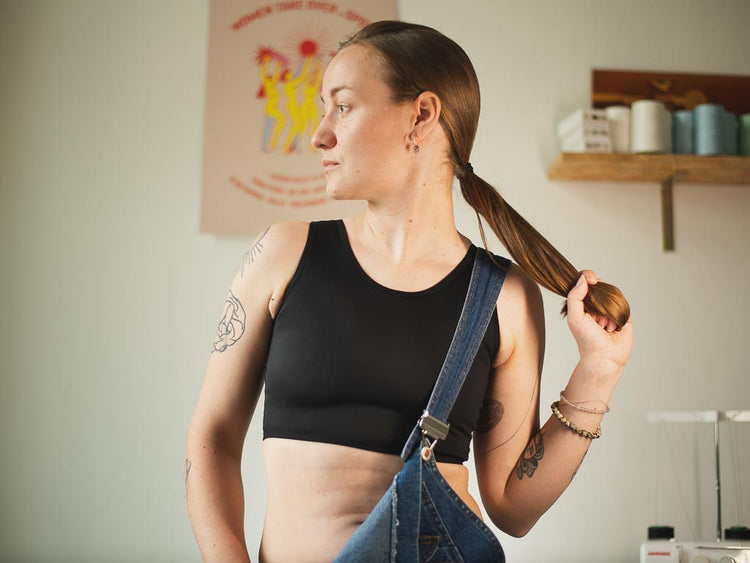
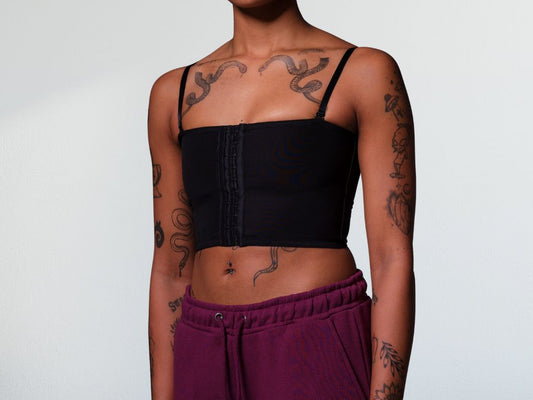
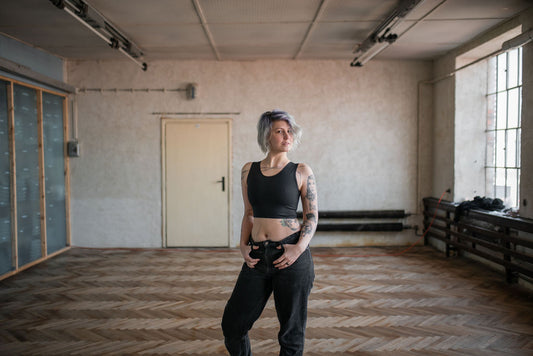
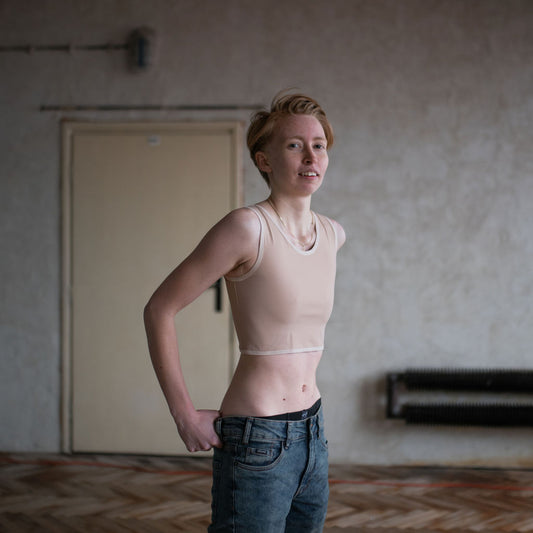
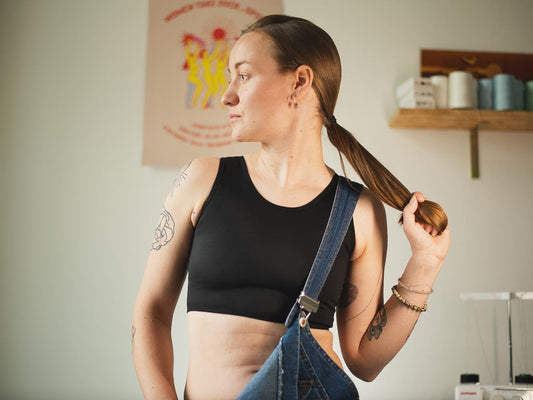
Binder (chest binder, chest puller) is tight top in the style of a tank top or sports bra. Designed to flatten the chest, hide the curves of the breasts, and help achieve a non-binary or more masculine look.
We do not recommend wearing a binder for more than 8 hours a day. Always sleep and exercise without a binder. An article on safe binder wear can be found here
-
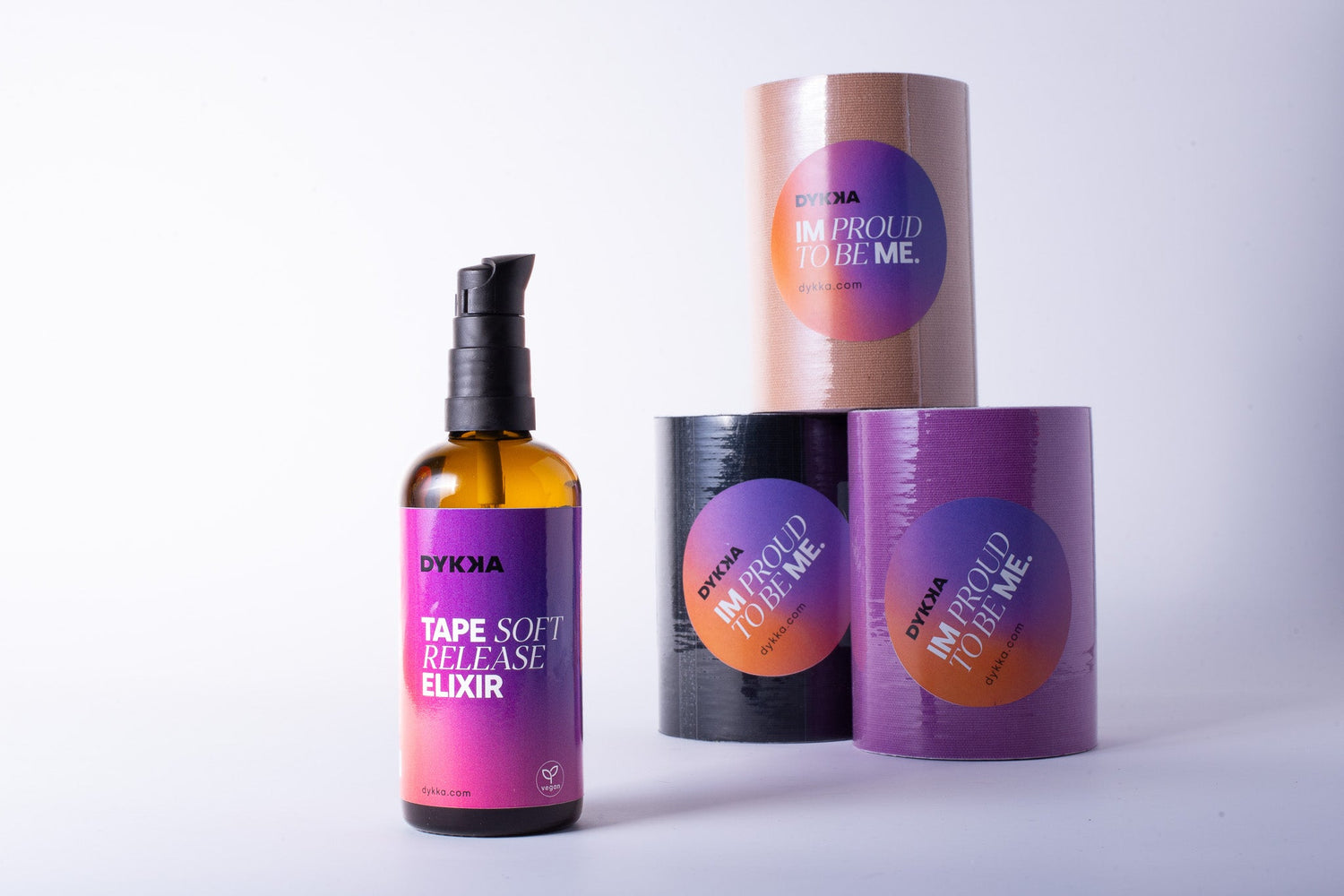
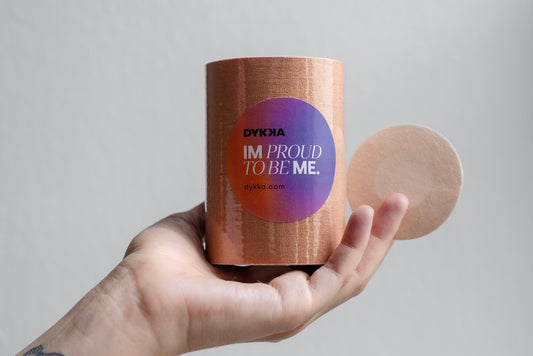
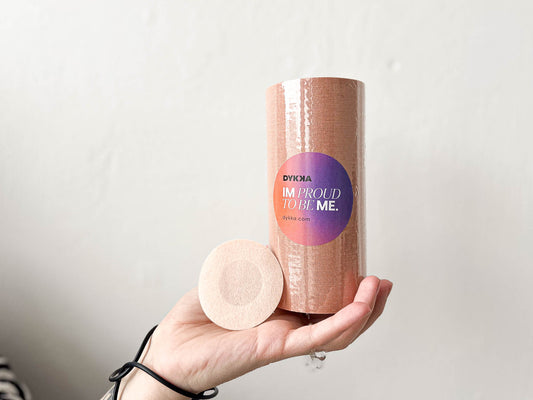
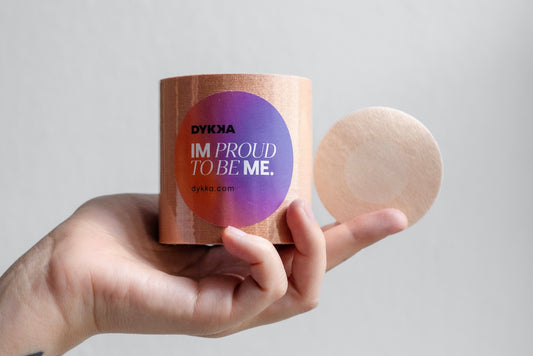
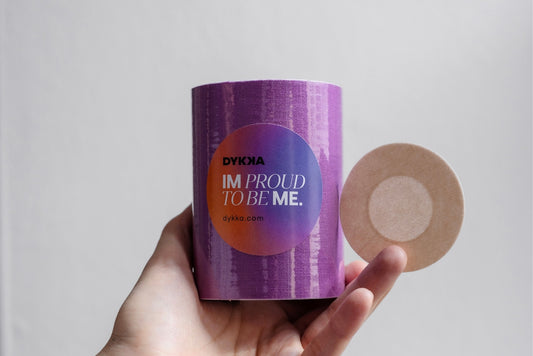
DYKKA binder tape | wide / 10cm + 10 pieces of cover stickers | nude
Regular price 390,00 KčRegular price -
DYKKA binder tape | wide / 15cm + 10 pieces of cover stickers | nude
Regular price 450,00 KčRegular price -
Short binder DYKKA 3.0 Beige
Regular price 1.890,00 KčRegular price -
DYKKA 3.0 short binder Black
Regular price 1.890,00 KčRegular price -
Short basic binder | extra strong | beige
Regular price 2.090,00 KčRegular price -
Long binder with cut-out back | extra strong
Regular price 2.490,00 KčRegular price -
Short basic binder | extra strong | black
Regular price 2.090,00 KčRegular price -
DYKKA binder tape | narrow / 7.5 cm + 10 pieces of cover stickers | nude
Regular price 340,00 KčRegular price -
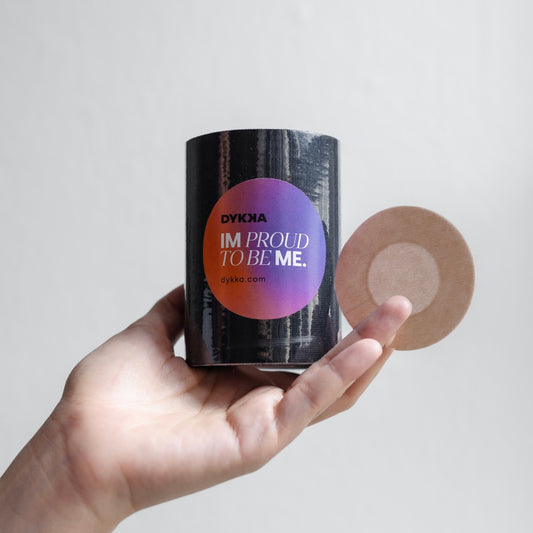
DYKKA binder tape | wide / 10cm + 10 pieces of cover stickers | black
Regular price 390,00 KčRegular price -
UNTAG belt binder (also suitable for post-op) | black
Regular price 1.990,00 KčRegular price -
Short basic binder | black
Regular price 1.990,00 KčRegular price -
Short basic binder | beige
Regular price 1.990,00 KčRegular price -
UNTAG belt binder (also suitable for post-op) | white
Regular price 1.990,00 KčRegular price -
DYKKA binder tape | wide / 10cm + 10 pieces of cover stickers | purple
Regular price 390,00 KčRegular price -
DYKKA 2.0 short binder
Regular price 1.183,00 KčRegular price1.690,00 KčSale price 1.183,00 KčSale -
Laundry Paper Strips Seaside Breeze (5 pcs) – by EcoHaus
Regular price 69,00 KčRegular price







-

long binders
The long binder looks like a tank top that you usually tuck...
-

short binders
Tight sports bra style top. Designed to flatten the chest, hide the...